

USB
Enquiry Now
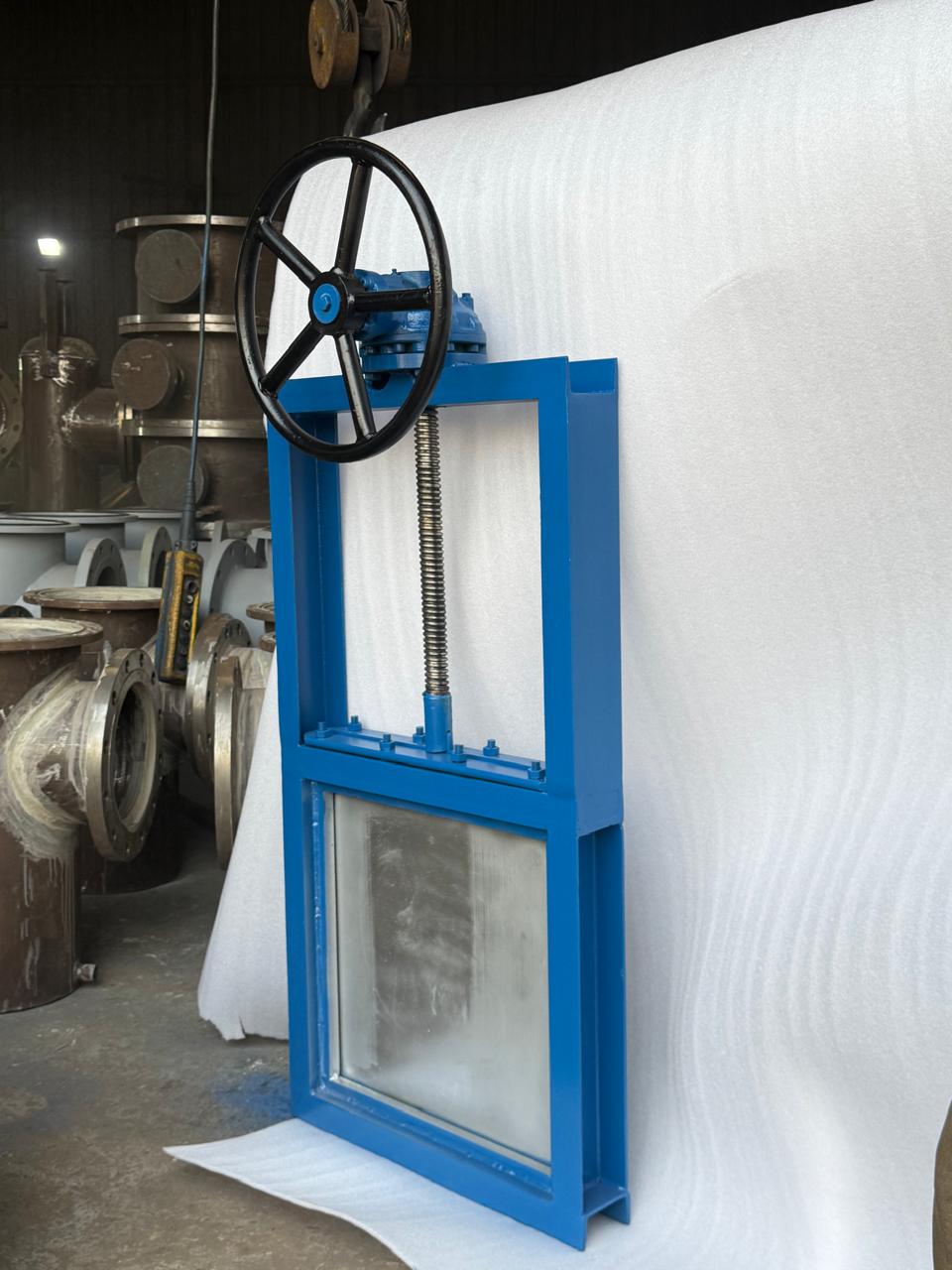
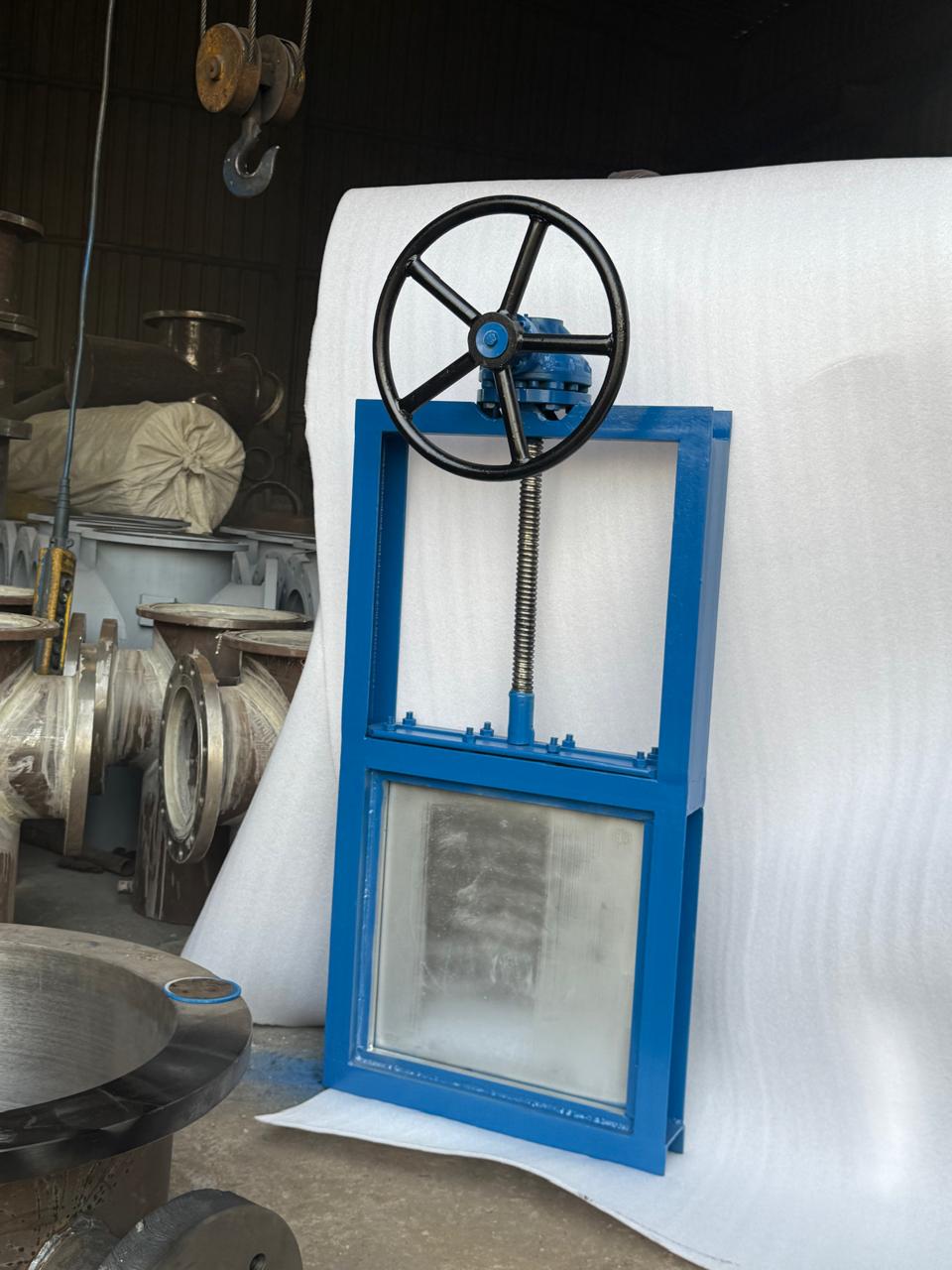
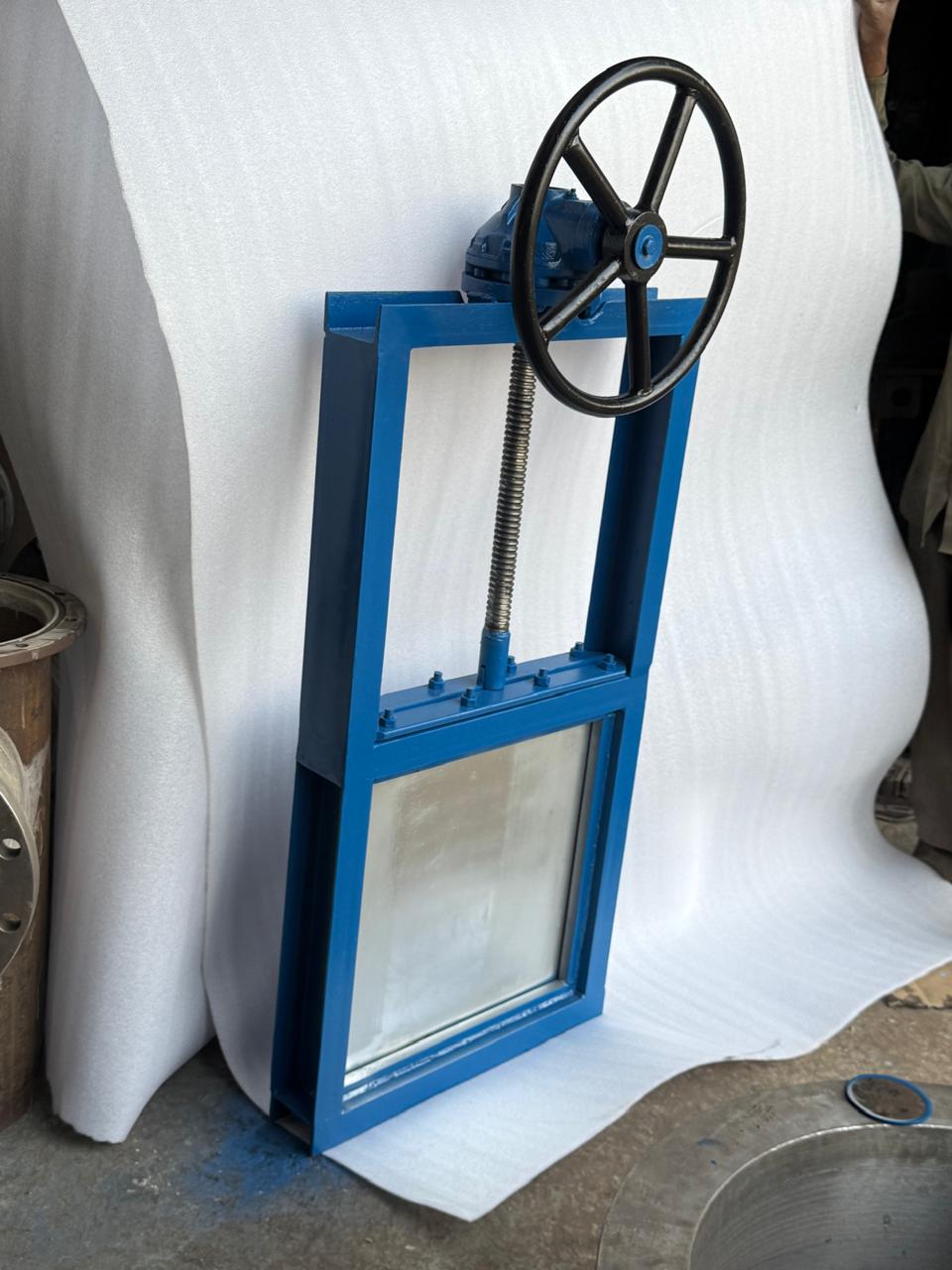
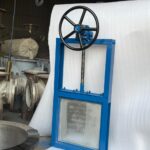
Knife Edge Gate Valve
SEA - 1513
₹38.00
1. Core Design Specifications
Design Standards: Manufactured to MSS SP-81 (standard for stainless steel, bonnetless knife gate valves) or ASME B16.34.
Face-to-Face: Adheres to MSS SP-81 or manufacturer standard for slim profile installation.
Testing: Seat and shell pressure testing per API 598 or MSS SP-81.
Body Type: Wafer, Lugged, or Flanged.
2. Material of Construction (MOC)
Body: Cast Iron, Ductile Iron, Carbon Steel (WCB), Stainless Steel (CF8/CF8M), or Duplex Steel for highly abrasive environments.
Gate/Knife: SS304, SS316, SS316L, or SS310. The edge is typically precision-ground and bevelled to cut through thick media.
Seat:
Soft Seat: EPDM, Viton, Nitrile, or PTFE (for bubble-tight shut-off).
Metal Seat: SS316 or Stellited (for high-temperature or abrasive service).
Stem: Stainless Steel (Rising or Non-Rising type).
3. Performance & Size Parameters
Size Range: 2″ (DN50) to 48″ (DN1200) as standard; larger sizes fabricated on request.
Pressure Rating: Typically PN10, PN16, or ANSI Class 150. Note: Knife gates are often rated for lower pressure (approx. 150 PSI) compared to standard gate valves.
Temperature: Up to 400°C with metal-to-metal seating and high-temp packing.
4. Actuation Options
Technical buyers look for versatility in how the valve is operated:
Manual: Handwheel, Chainwheel, or Lever.
Automated: Pneumatic Cylinder (most common for fast action), Electric Actuator, or Hydraulic.
5. Unique Features to Highlight
Self-Cleaning: The gate clears the seat as it closes, preventing material buildup.
Bi-directional vs. Uni-directional: Specify if your valve handles pressure from both sides or just one.
Replaceable Seats: Mention if the seats can be replaced without replacing the entire valve to reduce Maintenance Costs.
1. Design & Testing Standards
Design & Manufacturing: Generally conforms to MSS SP-81 (Stainless Steel, Bonnetless Knife Gate Valves) or equivalent manufacturer’s standard.
Face-to-Face Dimension: MSS SP-81 or as per specific customer requirements (wafer/lug style).
Testing & Inspection: Performed according to API 598 (shell and seat tests) or MSS SP-81 standards.
End Connection: Typically ASME B16.5 (Flanged), ANSI B16.47, or ASME B16.25 (Butt-weld ends).
Pressure Rating: Generally lower than conventional gate valves; standard ratings are PN10, PN16, or ANSI Class 150.
2. Material of Construction (MOC)
Material selection is critical for durability in harsh environments.
Component Standard Material Options
Body Cast Iron, Ductile Iron, WCB Carbon Steel, SS304, SS316, Duplex Steel
Gate (Knife) SS304, SS316, SS316L, or specialized hardened steel/alloys
Seat Soft Seats: EPDM, Viton, Buna-N, or PTFE (for bubble-tight shutoff)
Seat Metal Seats: SS316, Stellite-overlay (for high abrasion/temp)
Stem SS410, SS304, SS316
Packing PTFE, Graphite, Aramid fiber, or braided synthetic fiber
3. Performance Parameters
Size Range: Standard options typically range from 2 inches (DN50) up to 48 inches (DN1200).
Temperature Range: Varies widely based on seating/gasket material, from cryogenic up to 400°C for metal-seated variants.
Actuation: Can be specified with manual (handwheel, chainwheel, lever) or automated (pneumatic cylinder, electric actuator, hydraulic) operation.
4. Key Design Features
Beveled Knife Edge: The gate is designed with a sharp, beveled bottom edge that cuts through solidified media and solids to ensure reliable closing and a tight seal.
Self-Cleaning: As the valve closes, the gate configuration forces media out of the seating area, preventing build-up.
Bonnetless Design: Most knife gate valves are bonnetless, which allows the stem packing to be easily accessed and reduces accumulation of process material in the top works.
Unidirectional/Bi-directional: Must be specified—most standard designs are unidirectional, but bi-directional designs are available for specific process requirements.

Reviews
There are no reviews yet.